About Foster — LifeLedgerX
About

A new chapter.
Paying it forward.

After 25 years leading engineering teams on the systems side of healthcare, a heart attack and a same-day type 2 diabetes diagnosis changed everything. Foster rebuilt his metabolic health from scratch. LifeLedgerX is what came out of that journey.

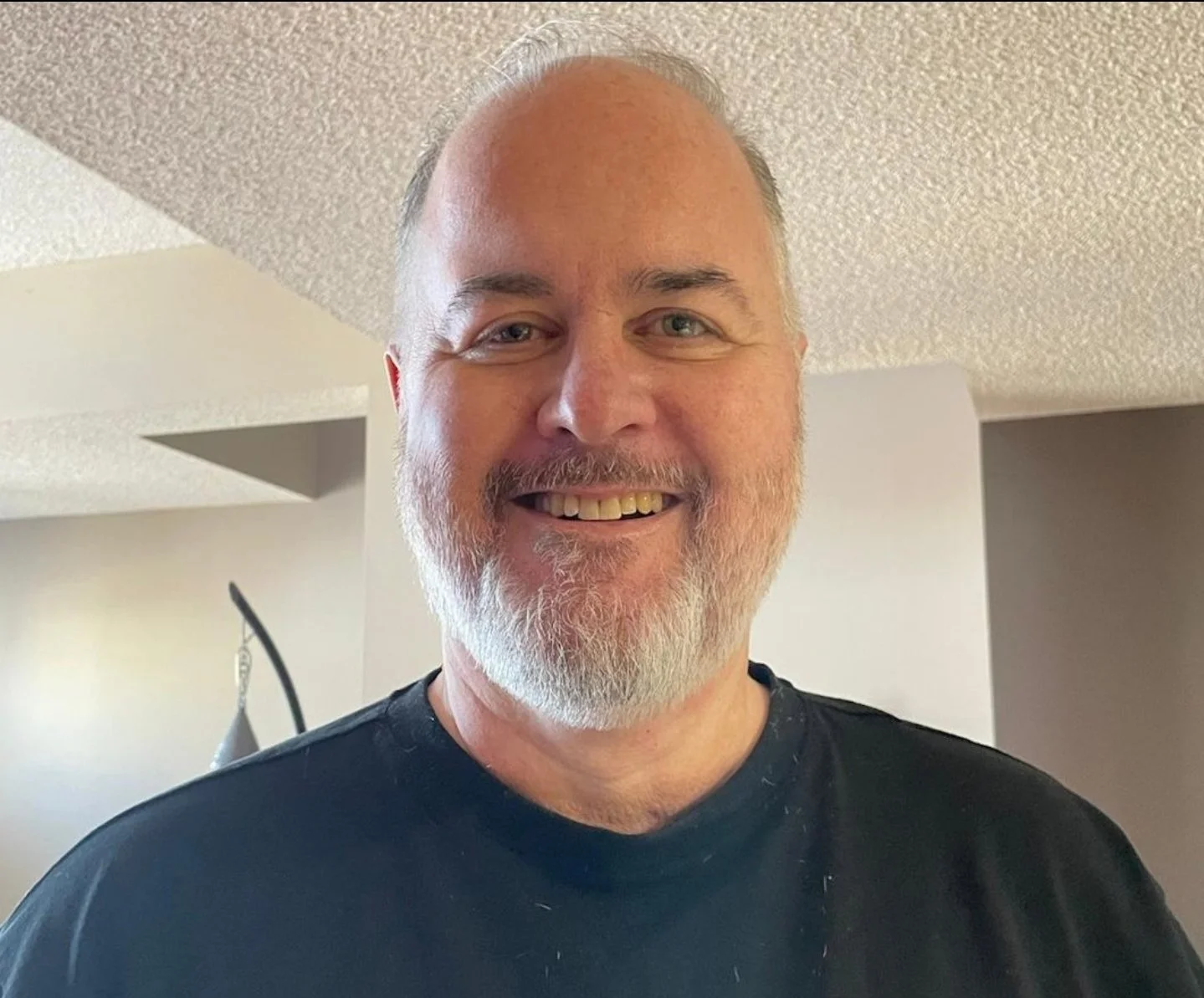
Foster

Foster

Founder, LifeLedgerX

Not a doctor. Not a dietitian. Someone who spent 25 years leading engineering teams building diagnostic imaging software for hospitals, and then found himself on the other side of that system entirely. Years of rebuilding metabolic health from scratch followed — one variable at a time.

25 yrs
Healthcare IT &
diagnostic imaging
2022
Heart attack.
The turning point.
< 4 yrs
Off all medication.
Diabetes reversed.

Twenty-five years on the systems side of healthcare.

For most of my career I led engineering and development teams building the diagnostic imaging software that radiologists, cardiologists, doctors, and nurses relied on to read scans and make clinical calls. High-pressure, high-stakes, long hours. The kind of culture where stress was a badge of honor and rest sounded like an admission of weakness.

I knew healthcare from the inside. What I was ignoring was what was quietly accumulating inside my own body — signals I explained away for years.

"The gap between how I felt and what I told myself kept widening. Admitting it would have meant changing something I didn't want to change."


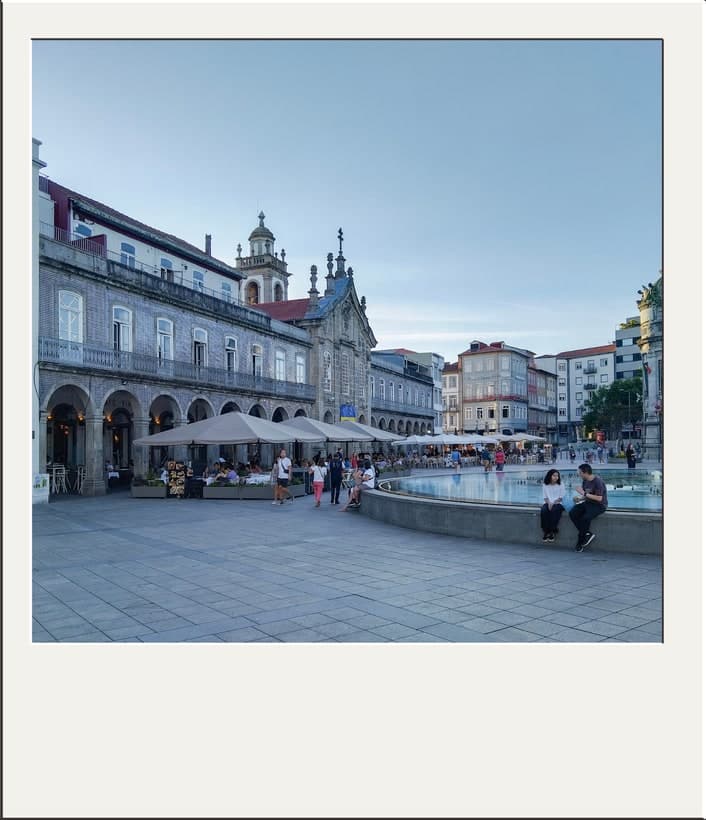
A walk in Braga.
Then nothing.

I had just moved to Braga, Portugal two weeks earlier for a university startup project, alone in a city where I didn't speak the language and didn't know anyone. Ella hadn't arrived yet.

One afternoon I went out for a walk. Chest started tightening. Pain radiating across both shoulders. Sweating. That was the last clear memory I had before waking up in the ICU.

Full arterial blockage. Three days in the ICU, two or three more in recovery. The day before discharge, they told me I had type 2 diabetes — no prior diagnosis, no warning. Just, "by the way."

I left with a bag full of medications. Six prescriptions, plus insulin. Instructions I could barely read because they were in Portuguese. A prognosis of lifelong management.

Ella visited for two weeks. Then she had to fly back to Canada. I was alone in a foreign country, managing six medications in a language I didn't speak, with a heart that had just tried to quit.

"I started leaving my front door unlocked at night — not because I forgot, but because I'd worked out that if I had to call an ambulance, they'd need to get in. I had a Post-it on my nightstand with the Portuguese emergency number because my instinct was still to dial 911."


From passive patient
to taking ownership.

For the first two years I was mostly compliant. I believed in the system — it had saved my life. I took the medications, tracked my blood work every six months, and taught myself to read the results. Living in Portugal, navigating a cardiologist who didn't speak English, I had no choice but to slow down and really understand what was being measured.

I had been finger-pricking daily since the diabetes diagnosis, watching how specific foods moved my blood sugar and how long it took to come back down. I wasn't guessing anymore. I was learning my body. Then routine blood work came back with a few values shifted. Everything technically in range, just different. I could see exactly why — I had let a few things slide. Nothing dramatic, just enough.

"He didn't ask if I had changed anything. He didn't ask about diet or activity. Everything was still in range — and the solution was immediate escalation of medication."

That was the tipping point. Behavior is the one thing I can actually change, and it wasn't even part of the conversation. I stopped all medications two months later. Six months after that, my A1C had dropped a full percentage point through dietary changes alone.


Figuring out how I got there
so others could too.

What I found wasn't a clean system I had followed. It was years of fragments — bits of research, things I had tracked, adjustments I had made, observations that had accumulated over time. I started grouping them because it was the only way to make sense of them. And when I looked at those groups, five areas kept emerging consistently.

I called them pillars because that is what they felt like — structural, load-bearing, connected. Remove one and everything becomes unstable. Understand one and the others start to make more sense.

The Five Foundational Pillars

The five foundational pillars are at the core of the LLX ebook and everything built under the LifeLedgerX ecosystem.

1
StressChronic stress blocks everything else. It was the first domino — and the hardest to address honestly.
2
SleepThe foundation everything builds on. Your body repairs itself during sleep — from stress, from movement, from the demands of the day.
3
MovementNot a punishment. Not a performance. The right type and timing for where you actually are.
4
NutritionNot a diet. A way of understanding how food moves your specific numbers and building something sustainable.
5
SupplementationTargeted gap-filling based on data, not trends. What your labs actually show — including what medications may be depleting.
Explore the five foundational pillars →

A new chapter.
Dedicated to paying it forward.

After stepping away from a 25-year career, I found myself with something I hadn't had in a long time — space to reflect. Metabolic dysfunction is an epidemic. The healthcare system is extraordinarily good at acute intervention — it saved my life — but it isn't built to help people understand and own their long-term health.

That gap is what LifeLedgerX is built to address. Not by telling people what to do. But by offering a system, the tools, the content, and eventually a community for people who want to take ownership of their own metabolic journey — wherever they are starting from.

Metabolic health is not just about weight loss. This applies at any age, any activity level, whether you are on medication or not, whether you are managing a diagnosis or just trying to feel better than you do right now.

"I wrote the book because I wished it had existed when I was sitting in that hospital room. Nobody said: here's a way to think about this. So I figured it out. And now I'm saying it to you."

Ready to start your own journey?

The ebook, the tools, the app — all of it is built on the same foundation. Join the waitlist and be first to know when each piece goes live.